Where the breed comes from
Herding and farm work. In the south of Spain, Spanish Water Dogs moved livestock across rough hill country and did general farm work. The AKC places the breed in the Herding Group for this reason.
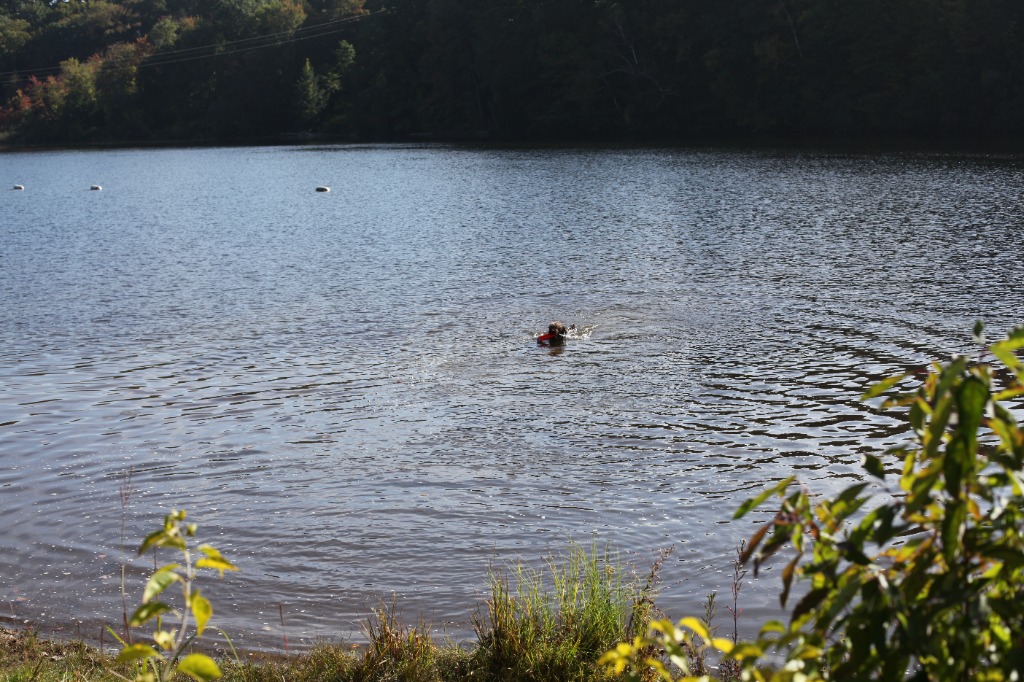
Water work. Along the coasts, similar curly-coated dogs helped fishermen by retrieving lines and gear and swimming between boats and shore. The northern fishermen's dogs of Cantabria and Asturias were recognized in Spain in 2012 as their own breed, the Cantabrian Water Dog. The Spanish Water Dog's water ability still shows: most love to swim and retrieve.
Recognition. The Real Sociedad Canina de España recognized the breed in 1985. The AKC granted full recognition in January 2015. The Spanish Water Dog Club of America is the AKC parent club.
Temperament: what to expect
Bonded to their people
SWDs attach closely to their household and tend to follow their person from room to room. They watch you closely, which makes them responsive to train.
Reserved with strangers
The breed is naturally watchful and protective, and the standard expects some reserve with people it does not know. Without early, steady socialization, that reserve can turn into suspicion. It is the main reason we socialize puppies in the city from the first weeks. It is also why not every SWD is suited to public-access service work, and why we test before we place.
Needs a job
This is a working breed. Herding, scent work, agility, swimming, trick training, and service tasks all suit it. A bored SWD will invent its own work. An SWD that gets enough exercise and mental work is generally calm in the house.
Trainable, with a mind of its own
SWDs learn quickly and respond best to reward-based training. They also notice inconsistency right away. First-time owners do well with this breed when they commit to a training class in the first year.
Size
The Spanish Water Dog is slightly longer than tall, with moderate bone.
Source: AKC breed standard.
That size suits apartment life and public transit, and it suits service tasks like retrieval, doors, and buttons. It is too small for adult balance or bracing work. See Service Dogs for the reasons.
The coat
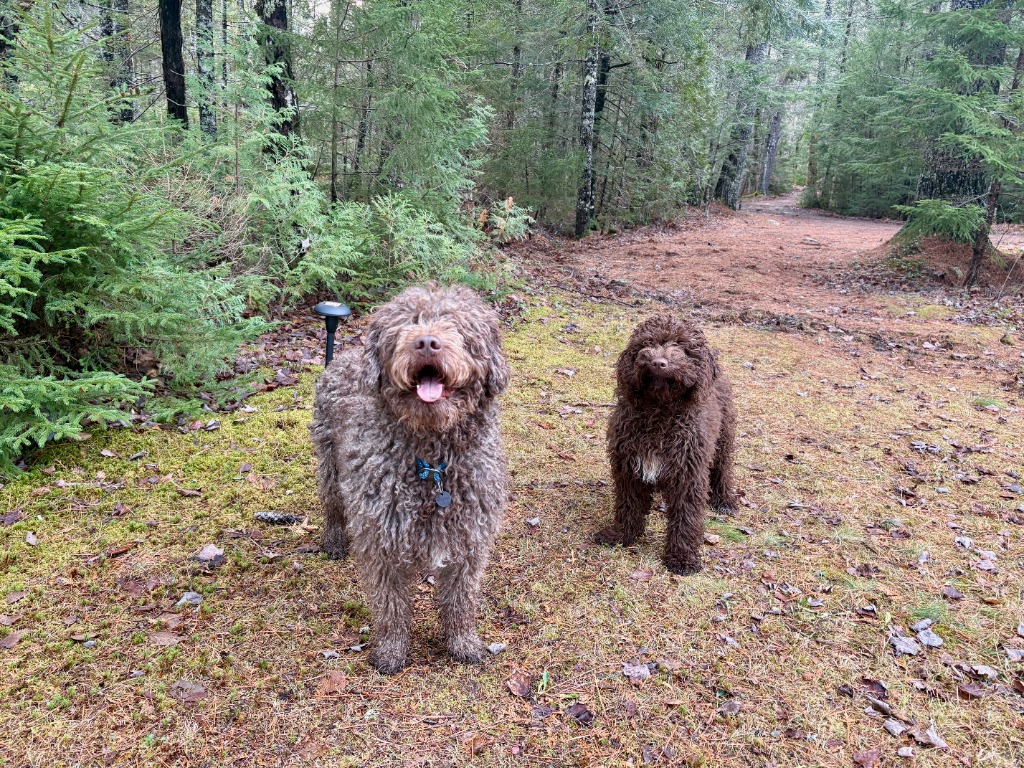
The SWD has a single coat that is curly and woolly, and it forms cords if left to grow. It sheds very little, because loose hair stays caught in the curls instead of falling on the floor.
On allergies: no breed is truly hypoallergenic. A 2012 study in the Journal of Allergy and Clinical Immunology that included Spanish Water Dogs found allergen levels in their coats were as high as or higher than in other breeds. If anyone in your home has dog allergies, spend time with adult SWDs before you apply. We are glad to arrange that.
Coat care basics
- Never brush or comb. Brushing breaks up the curl and causes felting at the skin. The breed standard is explicit about this.
- Shear evenly. The traditional working clip takes the whole coat to one even length with clippers once or twice a year. Many pet owners clip more often to keep the coat short. No scissoring or shaping.
- Separate cords by hand. If you let the coat cord, pull developing mats apart with your fingers down to the skin, a few minutes a week.
- Bathe gently. Squeeze shampoo through the coat instead of scrubbing. Rinse well, press out the water with a towel, and let the dog air-dry or use a crate dryer. Do not use a blow dryer.
Full details: Coat care guide →